UKOK Malayalam Film Campaign
A Malayalam film. A diaspora audience. A tight budget.
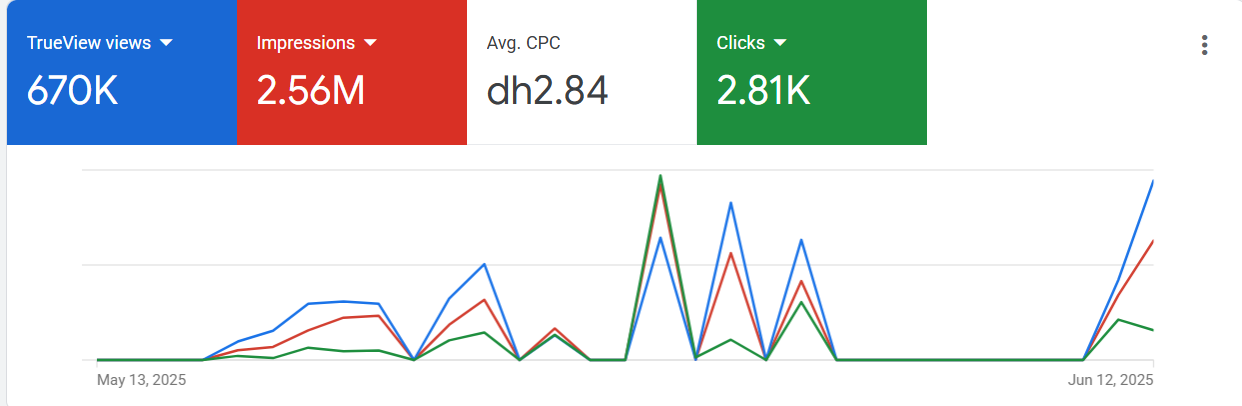
When UKOK came to us ahead of its UAE theatrical release, the objective was dual: build awareness among the Malayalam-speaking diaspora in the UAE, and convert that awareness into real cinema footfall — all within a budget that demanded precision over volume.
Malayalam film releases in the UAE operate in a narrow window. The audience is culturally specific and concentrated. Getting targeting wrong meant burning budget on impressions that would never move a ticket.
Doing a lot with a little.
Budget constraints were the central design problem of this campaign. With a modest spend split across Google Ads and Meta, there was no room for broad exploratory targeting — every dirham had to be placed with intent.
The campaign window — a few weeks before release — left no runway for slow optimisation cycles. Targeting hypotheses had to be tight from day one, and bidding decisions had to be monitored daily.
Precision targeting. Two-channel execution.
- →YouTube TrueView in-stream for high-impact trailer delivery
- →Display Network for sustained awareness across browsing sessions
- →Audience layering: Malayalam language signals, film interest, in-market intent
- →Daily bid adjustments to hold CPC without sacrificing reach
- →UAE-only geo — zero budget leakage outside target market
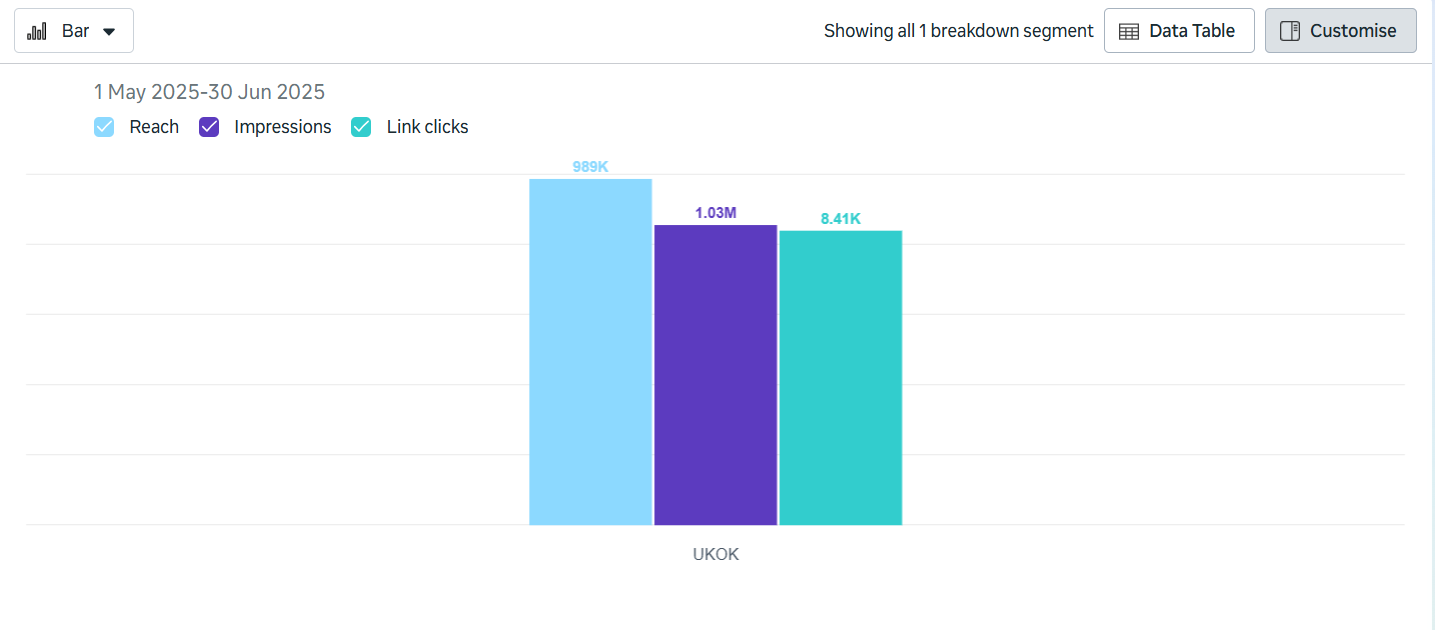
- →Reels-first creative matched to Malayalam diaspora consumption habits
- →Custom audiences built around Kerala cultural interest signals
- →Retargeting users who engaged with the Google campaign
- →Spend concentrated in the final week — maximum conversion pressure at release
3.59 million combined impressions. Two channels. One tight budget.
Budget constraints are a strategy problem, not a reach problem.
This campaign reinforced something I believe deeply: a tight budget forces better decisions. When you can't afford to test broadly, you build tighter audience hypotheses, monitor performance more closely, and make faster calls on what to kill and what to scale. The discipline that comes from constraint often produces stronger results than unlimited spend.
It also confirmed the power of cross-channel sequencing — using YouTube to build awareness, Display to sustain it, and Meta Reels to drive conversion pressure in the final week before release. Each channel had a defined job. None tried to do everything.
Reaching nearly 1 million unique individuals on Meta alone — almost the entire Malayalam-speaking UAE diaspora — for under AED 1,300 is a targeting win, not a media buying win. The number only means something because the right people saw it.